2025-07-23
In the world of metalworking, precision is everything. Whether you're producing one-off parts, repairing machinery, or building prototypes, achieving tight tolerances and clean finishes is essential. While CNC machines dominate in high-volume automation, the conventional lathe—also known as a manual lathe, centre lathe, or universal lathe—remains a powerful tool for skilled machinists who demand accuracy with hands-on control.
So how do you get precision results from a conventional lathe? It’s not just about having the right equipment—it's about proper setup, technique, and attention to detail. In this article, we’ll walk through proven methods to help you achieve precision machining using a manual lathe.
Precision begins with the lathe itself. If your machine has excessive vibration, wear in the bearings, or misaligned components, achieving accuracy will be nearly impossible.
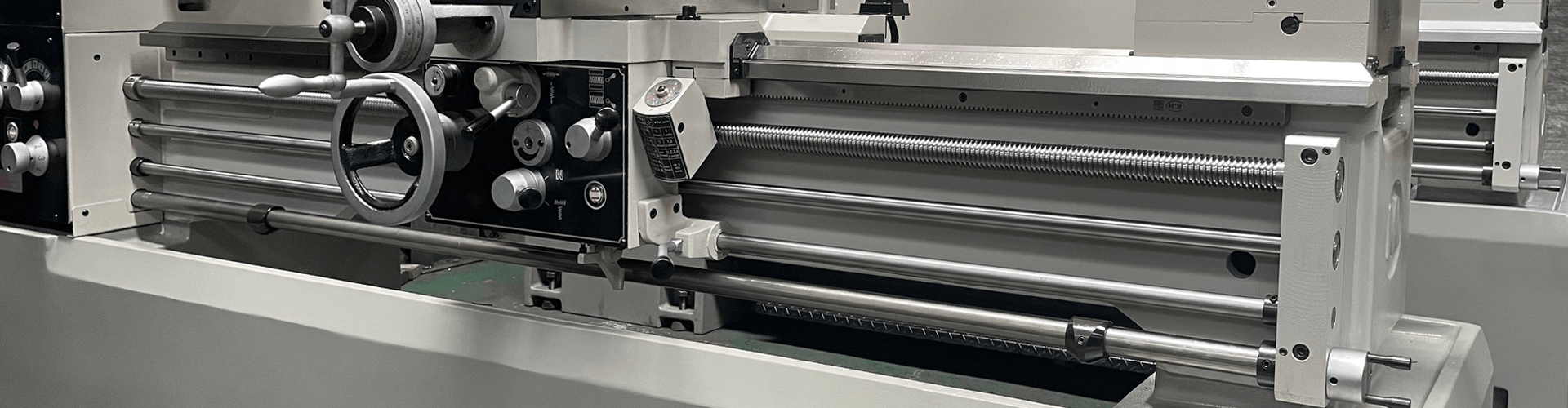
At Chushing Machinery, our conventional lathes are designed with reinforced beds and high-precision spindles to support consistent and repeatable machining.
The cutting tool has a direct impact on surface finish and dimensional accuracy. Always choose tools made from high-speed steel (HSS), carbide, or other wear-resistant materials suited for your application.
Workpiece alignment is critical in precision machining. Improperly mounted stock can result in tapering or out-of-round finishes.
Incorrect speed and feed settings can lead to poor finishes or tool failure. Match your cutting parameters to the material and tool type.
Vibration is the enemy of precision. It results in poor surface finish and dimensional inaccuracies.
Don’t rely on guesswork—precision comes from accurate measurement.
Once rough cuts are complete, your finishing passes are where precision matters most. Take your time to:
A clean, organized workspace minimizes mistakes and enhances machine performance.
Achieving precision machining with a conventional lathe is a combination of preparation, proper technique, and ongoing attention to detail. By maintaining your equipment, selecting the right tools, and practicing good habits, you can consistently produce high-quality results—even without CNC automation.
At Chushing Machinery, we build manual lathes, centre lathes, and universal lathes that are engineered for precision, rigidity, and operator control. Whether you're operating a toolroom, repair facility, or small production shop, our machines are built to help you reach the accuracy your work demands.
Ready to upgrade your machining capabilities? Contact Chushing Machinery today to learn more about our precision lathe solutions and expert support services.